Introduction
In today's world, emergency situations can strike at any moment, and being prepared is essential. One of the crucial abilities that can conserve lives is cardiopulmonary resuscitation (CPR). Young adults stand for a critical population that can be trained to respond http://devinbnzq482.image-perth.org/how-to-revitalize-your-abilities-after-finishing-a-first-aid-course effectively in emergencies. By equipping them with mouth-to-mouth resuscitation training, we not only equip them with life-saving abilities however also cultivate a culture of readiness and duty. This short article checks out the significance of mouth-to-mouth resuscitation training for https://ameblo.jp/beckettbsvq197/entry-12889596895.html teenagers, what to expect in first aid training courses, and how these abilities add to their individual development and community safety.
Understanding CPR Training for Teens: Preparing the Next Generation for Emergencies
What is CPR?
Cardiopulmonary resuscitation (CPR) is a lifesaving method made use of throughout emergency situations when somebody's heartbeat or breathing has quit. It includes chest compressions and rescue breaths that help maintain blood circulation to vital body organs up until specialist clinical aid gets here. Understanding the fundamentals of CPR is essential for teens that may find themselves in emergency situations.

Why Do Teenagers Required CPR Training?
Teens are usually at social gatherings, sports occasions, or perhaps home events where emergencies may take place. By finding out CPR, they become positive participants of their neighborhood that can act decisively throughout situations. The ability to do CPR with confidence can transform a potentially heartbreaking scenario into one where lives are saved.
Benefits of Emergency treatment Courses for Teens
First aid courses do greater than just instruct participants how to offer prompt care; they instill confidence and enhance analytic abilities. For teenagers, this experience can build character and First Aid Course Near Me encourage leadership qualities.
- Empowerment: Knowledge of first aid and CPR empowers young people. Confidence Building: Effectively finishing a program provides teenagers with a sense of achievement. Community Solution: Educated teenagers can offer in different setups such as colleges or sporting activities teams.
The Framework of mouth-to-mouth resuscitation Courses for Teens
Course Period and Format
Most first aid courses are created to fit within a couple of hours to a couple of days, depending on the depth of training supplied. Generally, a basic first aid course will cover:
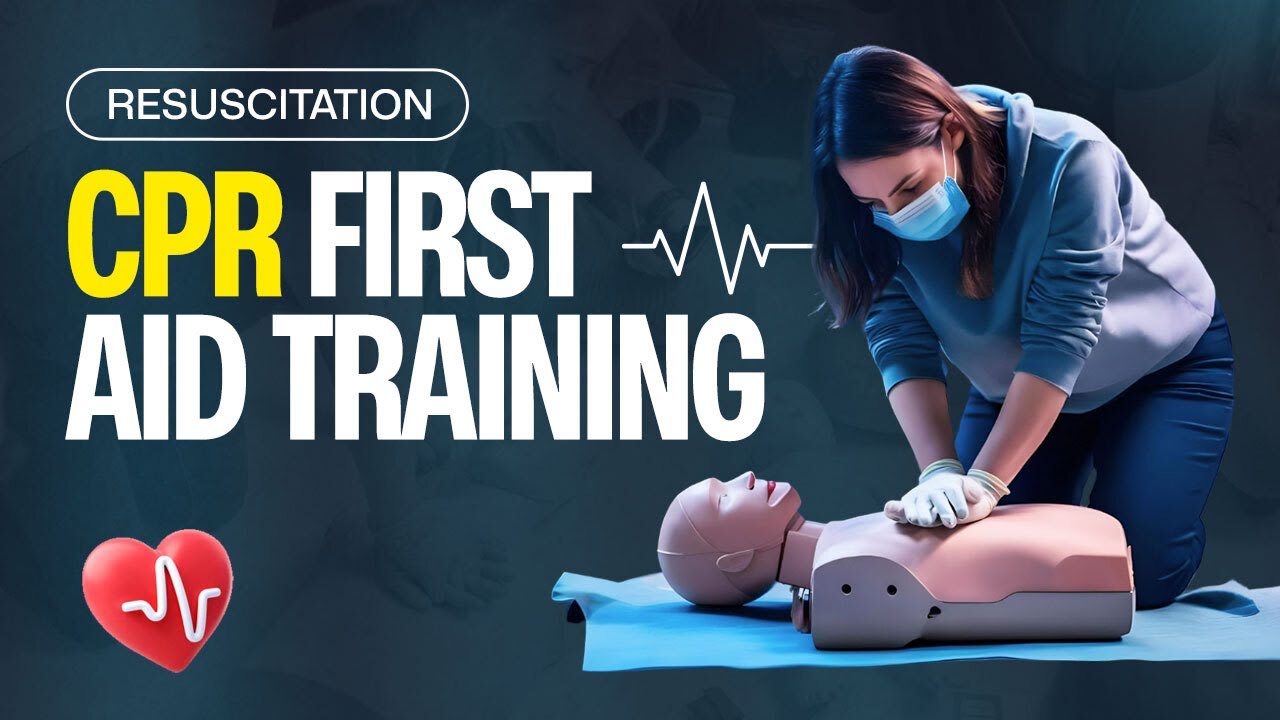
- Theory: The principles behind emergency treatment techniques. Practical Abilities: Hands-on experiment mannequins or through simulations.
Key Components Covered in Emergency Treatment Courses
Understanding Emergency Situations- Recognizing when to require help Assessing the scene for safety
- Performing top quality chest compressions Providing rescue breaths correctly
- Learning just how to run an AED Importance of early defibrillation
- Techniques for grownups, children, and infants Recognizing indications of airway obstruction
- Cuts and scrapes Sprains and fractures
The Importance of Accreditation in Emergency Treatment Training
Obtaining Your Emergency treatment Certificate
Completing an emergency treatment course generally culminates in receiving a certification that validates your abilities. This certificate offers numerous purposes:
- It shows capability in emergency situation response. Many companies require accreditation for involvement in particular events.
Keeping Certifications Current
Just like any kind of life skill, it is necessary to maintain your knowledge up-to-date. Many organizations advise renewing accreditations every 2 years.
How Young adults Can Obtain Included with First Aid Training
Finding Neighborhood First Aid Courses
Teenagers thinking about obtaining their emergency treatment certificate must check out regional recreation center, schools, or health companies that offer certified training courses.
Helpful Resources:
- American Red Cross St John Ambulance Local healthcare facilities or health departments
Online vs In-Person Training Options
With advancements in technology, on-line components have actually come to be prominent yet may lack hands-on practice important for really grasping techniques. A blended strategy-- integrating online theory with useful sessions-- might be most beneficial.
Creating Understanding Amongst Peers regarding Mouth-to-mouth Resuscitation Training for Teens: Preparing the Future Generation for Emergencies
Peer Education and learning Initiatives
Encouraging teenagers to share what they have actually found out with their good friends can enhance the influence of training programs:
- Forming study groups concentrated on emergency preparedness. Hosting workshops at colleges or community centers.
Using Social media site as a Platform
Teens today are heavily engaged on social media sites platforms; using these networks can help spread out recognition about the relevance of emergency treatment training among peers.
Real-Life Stories That Emphasize the Importance of CPR Training for Teens
Case Research 1: Conserving a Life at Institution Sports Event
A young adult trained in mouth-to-mouth resuscitation was able to save their friend's life throughout a football suit when he collapsed on the area as a result of cardiac arrest. Their fast thinking enabled them to provide correct upper body compressions till emergency situation solutions arrived.
Case Study 2: Household Emergency Situation at Home
Another instance included siblings who had actually taken an emergency treatment course together. When their more youthful bro accidentally choked on food throughout dinner, they immediately understood what steps to take because they remembered their training-- leading them successfully via the emergency.
Frequently Asked Concerns (Frequently Asked Questions) Concerning Teenager Mouth-to-mouth Resuscitation Training
1. What age should teenagers start taking mouth-to-mouth resuscitation courses?
Many companies advise beginning as early as 12 years old; nevertheless, younger youngsters can likewise find out fundamental principles through appropriate programs customized to their age group.
2. How long does it take to finish an emergency treatment course?
Courses typically range from 4 hours approximately 16 hours depending upon web content deepness-- the standard being around 8 hours.
3. Exist any kind of requirements prior to enrolling?
No official requirements exist; nevertheless, it's useful if participants have an understanding of fundamental clinical terms.
4. Will certainly I get qualification after finishing my course?
Yes! Upon successful completion and passing any type of necessary analyses you'll receive an official emergency treatment certificate valid for two years.
5. Can I take these programs online?

6. Is it needed to restore my certification periodically?
Yes! Normal recertification ensures your abilities remain competent and current according to present guidelines.
Conclusion
In final thought, gearing up teenagers with knowledge about cardiopulmonary resuscitation (MOUTH-TO-MOUTH RESUSCITATION) via specialized training programs is very useful not only for their development however also enhances area safety and security generally. With efficient training sources readily available-- from regional training courses offering detailed direction on both basic emergency treatment strategies in addition to innovative life assistance techniques-- it's simpler than ever for young people eager concerning making an impactful distinction during emergencies!
As we move on into an unforeseeable globe loaded with challenges requiring swift action-- allow us invest our efforts in the direction of enlightening this future generation so they're prepared not just academically yet also almost geared up when dealt with versus real-life situations demanding immediate responses like those needing timely interventions such as executing reliable cardiopulmonary resuscitation (MOUTH-TO-MOUTH RESUSCITATION).